
What Is a Chemical Peel? Benefits, Results, and What to Know
Looking to improve uneven skin tone, rough texture, dullness, or the appearance of fine lines? A professional chemical peel may be an option to help refresh your complexion and improve the appearance of selected skin concerns.
At Naples Beauty Co. in Naples, Florida, we believe that effective skincare starts with understanding your options. Learn how chemical peels work, what benefits they may offer, what recovery involves, and how to determine whether a peel may be appropriate for your skin.
What Is a Chemical Peel?
A chemical peel is a professional skin treatment that uses a chemical solution to exfoliate the skin in a controlled manner. Depending on the formula and its depth of action, a peel removes or damages selected layers of skin, allowing the skin to heal and renew.
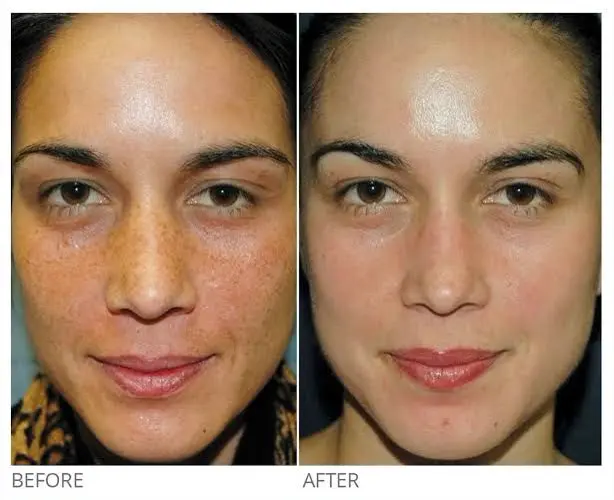
Chemical peels vary in their ingredients, strength, and depth. They may be used to address concerns such as uneven skin tone, certain types of discoloration, rough texture, and some signs of photoaging.
The best peel depends on your skin type, medical history, current skincare routine, and treatment goals. Stronger peels are not automatically better, and a more intensive treatment can involve greater risks and longer recovery.
What Are the Benefits of a Chemical Peel?
Depending on the formula and your individual skin concerns, a chemical peel may help improve:
- Uneven skin texture: Exfoliation can help skin feel smoother.
- Dull-looking skin: Removing surface buildup may improve the appearance of radiance.
- Uneven pigmentation: Certain peels may help improve selected forms of discoloration.
- Fine lines: Some professional peels may soften the appearance of superficial lines.
- Congestion and blemishes: Certain formulations may be appropriate for selected acne-related concerns.
Results vary, and not every peel is suitable for every concern. For example, melasma and other pigment conditions require careful treatment selection because irritation and inflammation can sometimes worsen discoloration.
A consultation can help identify the most appropriate approach for your skin.
How Does a Chemical Peel Work?
Chemical peels use ingredients that exfoliate the skin or produce a controlled injury at a particular depth. As the treated skin heals, its appearance and texture may improve.
Common peel ingredients include:
Glycolic acid: An alpha hydroxy acid used in some peels to exfoliate the skin's surface.
Lactic acid: An alpha hydroxy acid used in certain formulations to improve surface texture and appearance.
Salicylic acid: A beta hydroxy acid used in selected formulations, particularly for oily or blemish-prone skin.
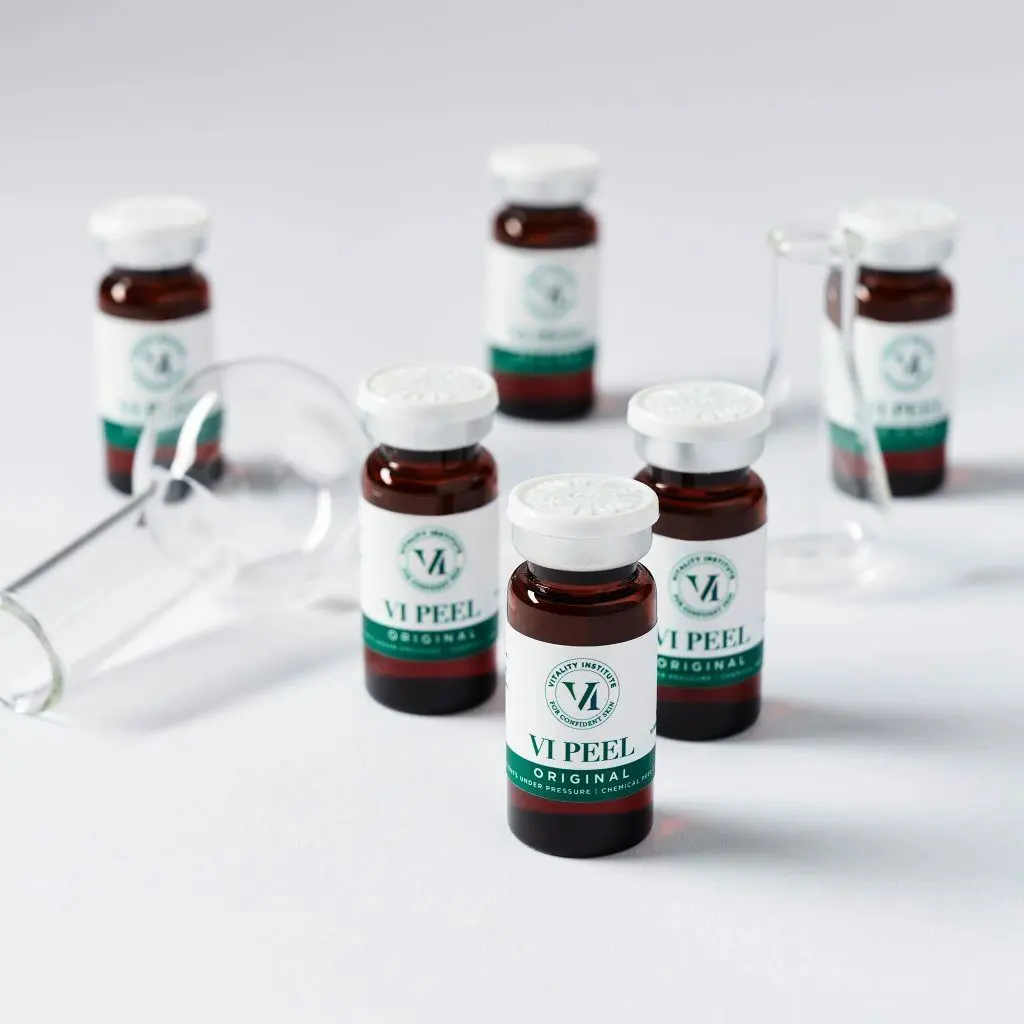
Other professional peel formulations: Depending on the product, additional acids or combinations may be used to target specific concerns.
The ingredients, concentration, pH, application technique, and depth of the peel all influence its effects and risks. Your provider should select a formulation appropriate for your skin rather than choosing a peel based on strength alone.
What Are the Different Types of Chemical Peels?
Chemical peels are generally described by how deeply they affect the skin.
Superficial peels
Superficial peels primarily affect the outermost layer of skin. They are generally associated with less downtime than deeper peels and may be considered for mild texture concerns or selected forms of discoloration.
Some patients may benefit from a series of treatments, depending on the product and their goals.
Medium-depth peels
Medium-depth peels penetrate farther into the skin and may be used for selected pigmentation concerns, texture changes, and signs of photoaging. They typically involve more recovery and a greater risk of complications than superficial peels.
These treatments require appropriate professional assessment, training, and monitoring.
Deep peels
Deep peels affect deeper layers of skin and carry substantially greater risks and recovery requirements. They are not appropriate for everyone and require specialized medical evaluation and care.
At Naples Beauty Co., treatment recommendations should reflect the specific peel products and services offered, your skin, and the level of expertise required for the procedure.
Who May Be a Candidate for a Chemical Peel?
A chemical peel may be worth discussing if you want to improve selected concerns such as uneven texture, dullness, or certain forms of discoloration.
However, not everyone is a suitable candidate. Before treatment, your provider should review:
- Your skin type and history of pigmentation changes
- Current skincare products, including retinoids and exfoliating acids
- Prescription medications and supplements
- Recent sun exposure and tanning
- A history of cold sores, skin sensitivity, or abnormal scarring
- Active skin infections, open wounds, or irritation
- Previous cosmetic treatments and how your skin healed
Some conditions may require postponing treatment or choosing another approach. Pregnancy, breastfeeding, certain medications, and specific medical conditions may also affect which formulations are appropriate.
Do not discontinue prescribed medications or active skincare products without individualized guidance from your healthcare provider.
What Happens During a Chemical Peel Appointment?
Your appointment begins with a consultation to discuss your skin concerns, medical history, and treatment goals.
If a peel is appropriate, your skin is prepared and the selected solution is applied according to the product's instructions and the treatment plan.
You may experience temporary tingling, warmth, or stinging during application. The intensity depends on the formulation and depth of the peel.
After treatment, your provider will explain what to expect during recovery and give you instructions for cleansing, moisturizing, sun protection, and resuming your usual skincare products.
Treatment time and downtime vary. Some superficial peels cause only mild redness or flaking, while more intensive peels can involve more noticeable peeling and a longer recovery period.
What Is Recovery Like After a Chemical Peel?
Recovery depends on the type and depth of the peel, your skin, and how it responds to treatment.
Possible short-term effects include redness, dryness, tightness, sensitivity, and peeling. More intensive peels may cause swelling, crusting, or a longer period of visible healing.
To support recovery:
- Follow your provider's specific aftercare instructions.
- Avoid picking, pulling, or scrubbing peeling skin.
- Use gentle skincare products recommended for your recovery period.
- Protect your skin from sunlight and use broad-spectrum sunscreen as directed.
- Avoid introducing irritating products or additional exfoliating treatments until your provider says it is appropriate.
- Attend follow-up appointments if recommended.
Contact your provider if you have concerns during recovery. Severe or worsening pain, blistering, spreading redness, significant swelling, or signs of infection warrant prompt medical evaluation.
What Are the Risks of Chemical Peels?
Chemical peels are not risk-free. Potential side effects and complications include:
- Redness and irritation
- Prolonged sensitivity
- Changes in skin pigmentation, including darkening or lightening
- Infection
- Delayed healing
- Scarring
- Chemical burns, particularly when the wrong formulation or technique is used
The risk depends on the peel's ingredients and depth, the provider's training, your skin characteristics, and adherence to aftercare.
People with a history of melasma or post-inflammatory hyperpigmentation may need particularly careful treatment planning. A peel that is too aggressive can worsen the very discoloration someone hopes to improve.
Professional assessment and appropriate treatment selection are important for reducing avoidable risks.
Chemical Peel vs. Microneedling: Which Is Better?
Chemical peels and microneedling are different treatments that may be considered for certain overlapping skin concerns.
A chemical peel uses a solution to exfoliate or resurface the skin. Microneedling uses fine needles to create controlled micro-injuries that activate the skin's healing response.
The appropriate choice depends on your concerns, skin type, medical history, desired results, and tolerance for downtime. Neither treatment is universally better, and combining treatments requires careful timing and professional guidance.
Chemical Peels at Naples Beauty Co.
At Naples Beauty Co. in Naples, Florida, we take an individualized approach to aesthetic skincare. The goal is to select treatments based on your skin's needs, with realistic expectations about benefits, recovery, and potential risks.
If you're considering a chemical peel, contact Naples Beauty Co. to learn about available treatments and discuss which options may be suitable for your skin.
Ready to explore your options? Contact Naples Beauty Co. in Naples, FL, to discuss your skincare goals.
Medical disclaimer: This article is for educational purposes only and does not constitute medical advice, diagnosis, or treatment. Chemical peels vary in formulation, depth, benefits, and risks. Individual results and recovery vary. A qualified professional should assess your skin and determine whether a particular treatment is appropriate for you.
Naples Beauty Co. is an independent aesthetic practice.