
Noticing more hair shedding, a widening part, or thinning around your hairline? Hair changes can be frustrating, and finding the right approach starts with understanding what may be causing them.
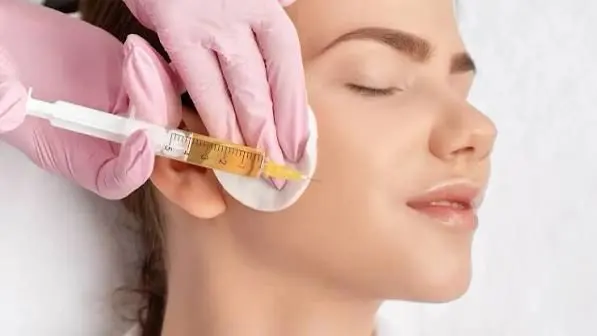
Platelet-rich plasma (PRP) injections are a nonsurgical treatment option being studied and used for certain types of hair loss. PRP is prepared from a small sample of your own blood and contains a concentrated amount of platelets, which release growth factors involved in the body's natural repair processes.
At Naples Beauty Co. in Naples, Florida, we believe hair restoration decisions should be based on realistic expectations, an understanding of the available evidence, and an individualized assessment of your needs.
What Are PRP Injections for Hair Restoration?
PRP stands for platelet-rich plasma. It is created by collecting a sample of blood and processing it in a specialized centrifuge to separate and concentrate platelets in the plasma.
Platelets contain growth factors that participate in normal tissue repair. Researchers are investigating how these factors may influence hair follicles and the hair growth cycle when PRP is injected into the scalp.
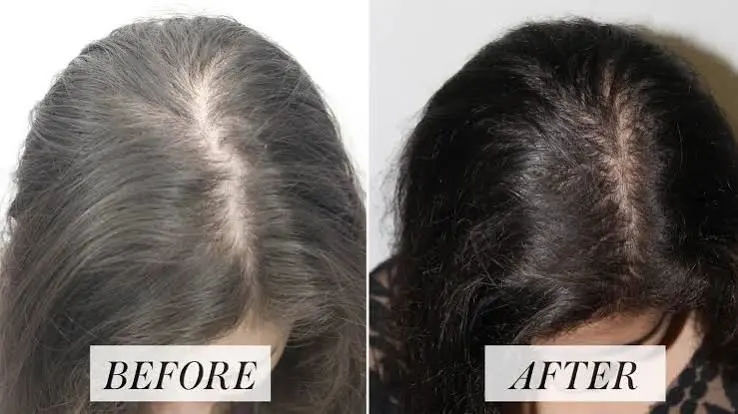
PRP is most often studied for androgenetic alopecia, also known as pattern hair loss, which can affect both men and women. Research has reported potential improvements in hair density and thickness for some patients, but results are not consistent for everyone.
PRP is not FDA-approved specifically as a hair-loss treatment, and research has not established one universally accepted preparation method or treatment schedule.
What Are the Potential Benefits of PRP Hair Restoration?
For appropriately selected patients, PRP may offer several potential benefits:
- May improve hair density: Some studies report increased hair counts in people with pattern hair loss.
- May improve hair thickness: Some patients may notice changes in the appearance of thinning hair.
- Uses your own blood: PRP is prepared from a sample of your blood rather than a manufactured hair-growth drug.
- Nonsurgical approach: Treatment involves scalp injections rather than surgery.
- Can be discussed alongside other therapies: Depending on the cause of hair loss, PRP may be considered as part of a broader treatment plan.
These are potential benefits, not guaranteed outcomes. The degree of improvement varies, and additional research is needed to clarify who benefits most and how best to administer treatment.
Who May Be a Candidate for PRP Hair Injections?
PRP may be worth discussing with a qualified healthcare professional if you have certain types of nonscarring hair loss, particularly pattern hair loss.
A consultation should include an assessment of your scalp, the pattern and duration of hair loss, your medical history, and any medications or supplements you take.
Hair thinning can have many causes, including genetics, hormonal changes, nutritional deficiencies, thyroid conditions, medications, stress, and inflammatory or scarring scalp disorders. The best treatment depends on the underlying cause.
Sudden or patchy hair loss, scalp pain, redness, scaling, or rapid progression should be medically evaluated before pursuing cosmetic hair restoration. Some conditions can cause permanent follicle damage if treatment is delayed.
PRP may not be appropriate for everyone, including some people with certain blood disorders, platelet abnormalities, active infections, or other medical conditions. Your provider can help determine whether an evaluation or referral to a dermatologist is appropriate.
What Happens During PRP Hair Restoration Treatment?
Although protocols vary, a PRP appointment generally involves several steps:
1. Blood collection
A small sample of blood is collected from your arm.
2. PRP preparation
The blood is processed in a specialized system to separate the platelet-rich plasma from other blood components.
3. Scalp injections
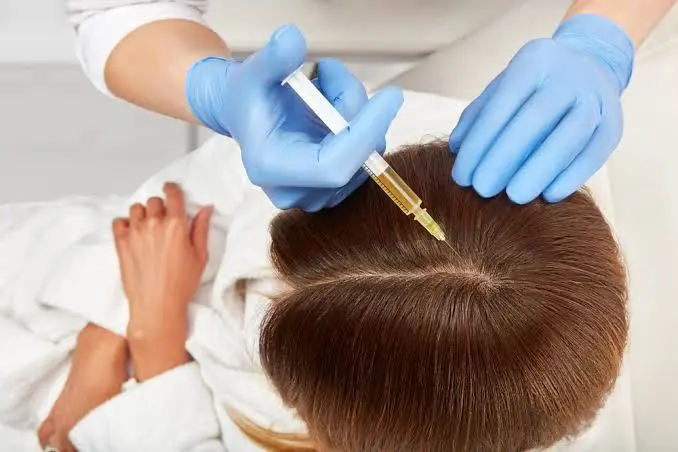
The prepared PRP is injected into selected areas of the scalp using a series of small injections.
4. Aftercare and follow-up
Your provider will explain what to expect after treatment, when to return for reassessment, and whether additional sessions may be appropriate.
Treatment should be performed using appropriate sterile techniques and equipment designed for preparing PRP.
Does PRP Hair Restoration Hurt?
Discomfort varies from person to person. Scalp injections may cause brief stinging, tenderness, or pressure. Temporary redness, swelling, pinpoint bleeding, and soreness may occur after treatment.
Your provider can discuss ways to improve comfort and explain which activities or hair-care practices to avoid during the initial recovery period.
Contact your healthcare professional if you develop worsening pain, increasing redness, drainage, fever, or other symptoms that could indicate a complication.
When Will You See Results?
PRP does not produce immediate hair growth. If treatment is effective, changes may take several months to become noticeable because hair grows in cycles.
Progress is usually assessed over time using scalp examinations and, when appropriate, standardized photographs. A series of treatments may be recommended, but the number and spacing of sessions depend on the protocol and your individual circumstances.
It is important to understand that some patients see improvement while others notice little or no meaningful change. Your provider should explain what outcomes are realistic before treatment begins.
How Long Do PRP Hair Restoration Results Last?
The duration of any benefit varies, and research has not established a single maintenance schedule that works for everyone.
Some providers recommend maintenance sessions after an initial treatment series, but the appropriate timing depends on your response, the cause of your hair loss, and the treatment approach.
PRP should not be considered a permanent cure for pattern hair loss. An ongoing plan may be needed to manage the underlying condition.
PRP Injections vs. Other Hair Loss Treatments
PRP is one of several options that may be considered for hair loss. Other approaches include:
- Topical minoxidil: An established treatment for certain types of pattern hair loss.
- Prescription medications: Depending on the diagnosis and individual circumstances, a healthcare professional may discuss medication options and their risks.
- Low-level light therapy: Certain devices are marketed for pattern hair loss, although results and supporting evidence vary.
- Hair transplantation: May be appropriate for selected patients with suitable donor hair and a specific pattern of hair loss.
These options are not interchangeable. PRP may be considered alone or alongside other treatments in selected cases, but combining therapies should be based on medical assessment rather than assuming that more treatments will produce better results.
Is PRP Hair Restoration Safe?
PRP uses a patient's own blood, but the procedure is not risk-free. Potential side effects include pain, tenderness, swelling, bruising, bleeding, and temporary scalp irritation. Infection and other complications are possible, particularly if appropriate preparation and sterile technique are not followed.
Before treatment, tell your provider about your medical history, blood or platelet disorders, medications, allergies, and any history of scalp conditions. Do not stop prescribed medications without guidance from the clinician who prescribed them.
A thorough consultation helps determine whether PRP is appropriate and whether another treatment or specialist evaluation would be more beneficial.
Explore Hair Restoration Options at Naples Beauty Co.
At Naples Beauty Co. in Naples, Florida, we believe every hair restoration plan should begin with understanding the individual's concerns and goals.
If you are experiencing hair thinning or increased shedding, a consultation can help you understand the potential causes, discuss appropriate treatment options, and determine whether PRP may be worth considering.
Interested in learning more about hair restoration in Naples, FL? Contact Naples Beauty Co. to discuss your concerns and explore available options.
Important Information
This article is for educational purposes only and does not replace individualized medical advice, diagnosis, or treatment. PRP injections for hair loss are not FDA-approved specifically for this indication, and evidence regarding effectiveness and optimal treatment protocols remains limited. Results vary, and a qualified healthcare professional should determine whether treatment is appropriate for you.