

Thinking about Botox for the first time? If you want to soften forehead lines, frown lines, or crow’s feet but are unsure what to expect, learning the basics can help you feel more confident about your decision.
Botox Cosmetic is a prescription injectable treatment that temporarily relaxes targeted muscles to improve the appearance of certain facial wrinkles. When appropriately administered, treatment can soften expression lines while allowing for a personalized approach to your natural facial features.
At Naples Beauty Co. in Naples, Florida, we believe your first injectable appointment should start with education, realistic expectations, and a treatment plan tailored to you.
What Is Botox?
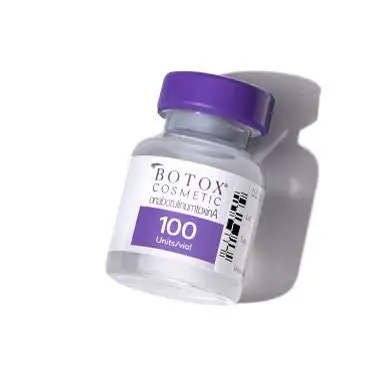
Botox Cosmetic is a brand of botulinum toxin type A called onabotulinumtoxinA. It temporarily reduces signals between nerves and targeted muscles, decreasing muscle contractions that contribute to certain expression lines.
Botox Cosmetic is FDA-approved for the temporary improvement of specific facial wrinkles, including:
- Forehead lines
- Frown lines between the eyebrows
- Crow’s feet around the outer corners of the eyes
- Certain vertical bands in the neck
Not every wrinkle responds to Botox. Lines caused primarily by skin texture changes, sun damage, or volume loss may require a different approach.
What Are the Benefits of Botox?
Botox may help soften selected expression lines and create a more refreshed appearance. Potential benefits include:
- Temporary wrinkle reduction: Helps reduce the appearance of certain lines caused by muscle movement.
- A personalized result: Treatment can be planned around your facial anatomy and aesthetic preferences.
- Minimal downtime for most people: Many patients return to everyday activities shortly after treatment.
- Gradual results: Changes develop over several days rather than appearing immediately.
The goal is not necessarily to eliminate every line or prevent all facial movement. Your provider should discuss the result that best fits your features and preferences.
What Happens During Your First Botox Appointment?
Your first appointment should begin with a consultation. Your provider will discuss your concerns, review your medical history and medications, and assess your facial movements and anatomy.
If treatment is appropriate, the planned areas are cleaned and small amounts of product are injected into selected muscles using a fine needle.
The injections themselves generally take only a short time, although the full appointment includes consultation and preparation. Most patients do not need significant downtime.
Before treatment, ask any questions you have about the product, expected results, risks, cost, and follow-up care.
Does Botox Hurt?
Most patients describe the injections as brief pinches or small stings. Discomfort varies depending on the individual, treatment area, and sensitivity.
Your provider can discuss ways to make the appointment more comfortable. Mild tenderness, redness, swelling, or bruising can occur afterward.
When Will You See Botox Results?
Botox does not work instantly. Some patients begin noticing changes within a few days, with results continuing to develop over approximately one to two weeks.
The timeline varies by individual and treatment area. Your provider may recommend assessing your result around two weeks after treatment before considering whether any adjustment is appropriate.
Avoid judging the outcome immediately after your appointment, and do not seek additional treatment too soon.
How Long Does Botox Last?
For cosmetic wrinkle treatment, results commonly last around three to four months, although some people experience effects for longer or shorter periods.
Duration depends on factors such as the treatment area, muscle activity, dose, and individual response. Results gradually fade as muscle activity returns.
If you choose to continue treatment, your provider can help determine an appropriate schedule based on your response and goals.
What Should You Do Before Botox?
Before your appointment:
- Share your medical history. Tell your provider about health conditions, allergies, previous reactions to botulinum toxin, and any prior injectable treatments.
- Discuss medications and supplements. Some may affect bruising or interact with treatment. Do not stop prescribed medication without speaking to the clinician who prescribed it.
- Mention any skin concerns. Tell your provider about an infection, irritation, or open wound near the planned injection site.
- Ask about timing. If you have an important event coming up, allow time for results to develop and for any temporary bruising to resolve.
- Choose a qualified provider. Confirm that your injector is appropriately licensed and trained in facial anatomy and injectable complication management.
Botox may not be appropriate for everyone. Tell your provider if you are pregnant, planning pregnancy, breastfeeding, or have a neuromuscular condition. Safety during pregnancy and breastfeeding has not been established.
What Should You Avoid After Botox?
Follow the specific aftercare instructions your provider gives you. General guidance includes:
- Avoid rubbing or massaging the injection sites. Be gentle when washing your face or applying makeup.
- Follow guidance about exercise. Some providers recommend waiting a short period before strenuous activity.
- Avoid rushing into a touch-up. Allow sufficient time for the full result to develop before reassessment.
- Contact your provider if something concerns you. Worsening or unexpected symptoms deserve attention.
Most patients can return to routine activities quickly, but individual instructions may vary.
Is Botox Safe?
Botox Cosmetic is an FDA-approved prescription treatment for specific cosmetic indications, but it is not risk-free.
Common side effects can include injection-site discomfort, redness, swelling, bruising, headache, and temporary eyelid or eyebrow drooping.
Rarely, effects of the toxin can spread beyond the injection area and cause serious symptoms. Seek immediate medical attention if you experience difficulty swallowing, speaking, or breathing, or significant generalized muscle weakness after treatment.
A consultation helps determine whether Botox is appropriate for you and provides an opportunity to discuss potential benefits, risks, and alternatives.
Will Botox Make Your Face Look Frozen?
Botox does not automatically create a frozen appearance. The result depends on your facial anatomy, treatment plan, dose, placement, and the provider's technique.
Some patients prefer a more noticeable reduction in muscle movement, while others prefer to preserve more movement. Your provider should discuss your preferences and explain what is realistic.
A natural-looking result begins with appropriate treatment planning rather than simply using more or less product without considering your individual anatomy.
Botox for Beginners at Naples Beauty Co.
At Naples Beauty Co. in Naples, Florida, we take an individualized approach to aesthetic treatments. If you are considering Botox for the first time, we can discuss your concerns, explain what to expect, and help you understand whether treatment is appropriate for your goals.
Ready to learn more about Botox in Naples, FL? Contact Naples Beauty Co. to schedule a consultation and explore your options.
Important Information
This article is for educational purposes only and does not replace individualized medical advice. Botox Cosmetic is a prescription medication that should be administered by an appropriately trained and licensed healthcare professional. Results vary, and all injectable treatments carry potential risks.